

During our work, the OsintFlow team obtained an interesting document titled “Flight Safety Information” covering the period from December 29, 2025, to January 18, 2026, which provides a detailed list of aviation incidents involving Russia’s military transport and state aviation fleets.
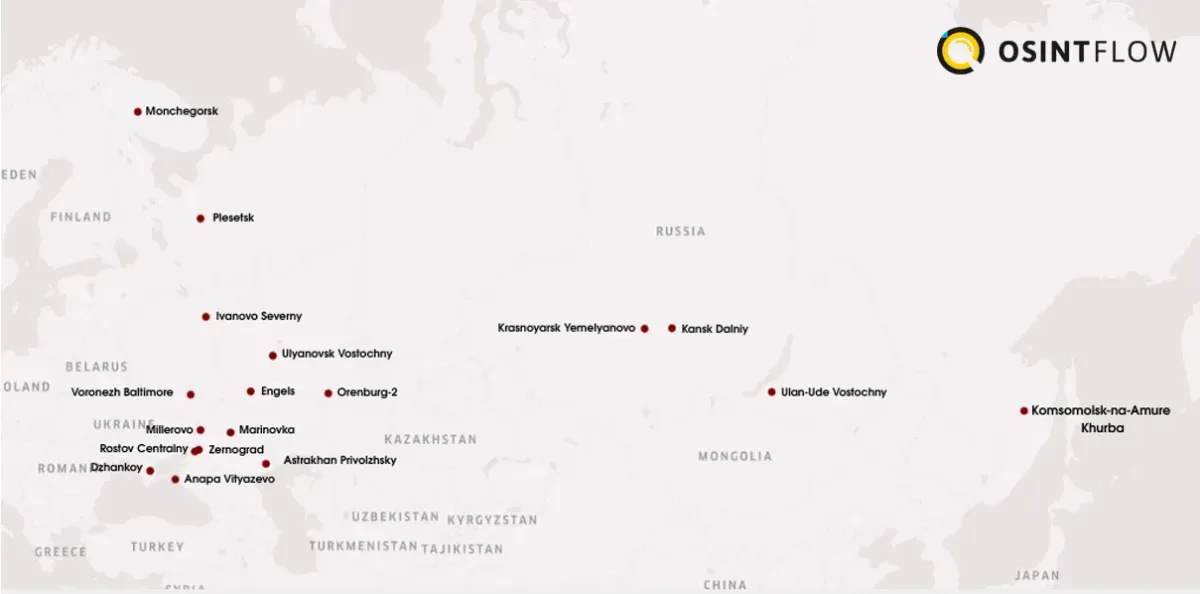
The geographical scope of the incidents spans a wide range of airfields and air bases, including Plesetsk, Severny Air Base, Orenburg-2 Air Base, Engels Air Base, Marinovka Air Base, Zernograd Air Base, Voronezh Baltimor Air Base, Dzhankoy Air Base, Millerovo Air Base, Akhtubinsk (Vladimirovka Air Base), Morozovsk Air Base, Monchegorsk Air Base, and others.
Departure points and home bases (where the departure point was not specified, the home base was used) from which flights were conducted are shown on a map to illustrate the geographic distribution of aviation incidents over the reporting period.
In total, the document records 24 incidents. The vast majority are linked to technical malfunctions or in-flight system checks. The breakdown shows 5 incidents in military transport aviation and 19 incidents in Russia’s state aviation fleet.
The primary types of Military Transport Aviation (VTA) flights during the reporting period included training and evaluation sorties, troop and equipment transport, and cargo delivery missions. Flights were frequently conducted outside standard routes, alongside routine checks of aircraft systems and crew performance.
For Russia’s state (combat and special-purpose) aviation, the document lists several categories of missions: special flights, inspection and control sorties, crew training, zone flying, and emergency services (EMERCOM) operations. A significant proportion of recorded incidents occurred during so-called “special flights.”
In Russian military usage, the term “special flight” is often a broad designation that can include combat sorties, strike missions, patrol operations, the transport of personnel and armaments, and missions conducted in or near active combat zones. In practice, this means that many of the recorded incidents took place during operational activity rather than routine training.
While a single document is not sufficient to assess the overall condition of Russia’s aviation fleet, it does provide a useful snapshot of the types of issues occurring in real-world operations. The recurring nature of certain failures is particularly notable. For instance, repeated engine malfunctions may point to sustained operational stress and broader technical strain across the fleet.
Incident data indicates that most events are linked to the technical condition of aircraft systems, primarily engines, as well as hydraulic and navigation systems and wing mechanization components. These categories account for the majority of recorded incidents during the reporting period.
Back in July 2025, aviation expert Anatolii Khrapchynskyi, in an interview with OBOZ.UA, emphasized that despite Moscow’s public claims, Russia’s military aviation was facing a serious crisis. He noted that, due to sanctions and technological backwardness, the Russian aircraft fleet was gradually losing combat effectiveness. According to him, the main problem of Russia’s aviation is its engines. At the time, the expert stated:
>“Most notably, despite loud claims about the ‘revival’ of its aviation industry, Russia remains hostage to a single critical issue — engines. Since losing access to Ukraine’s Motor Sich and Ivchenko-Progress in 2014, the entire import substitution program has been stalling at the turbine level. Without modern engines, even the most high-profile Tu-160 is effectively just an expensive white coffin. One example is the reported engine fire on one of these aircraft, previously used by Vladimir Putin himself, which was caused by the installation of old components removed from another aircraft.”
Analytical reports published in 2025 suggested that Russia’s defense industry faces significant constraints in scaling up production of new combat aircraft due to sanctions and shortages of critical technologies and components. The Institute for the Study of War (ISW) [noted (https://understandingwar.org/research/russia-ukraine/russian-offensive-campaign-assessment-june-29-2025/) that while Russia continues efforts to increase aircraft production, Western sanctions and technological limitations are likely to hinder its ability to achieve meaningful expansion in the near term.
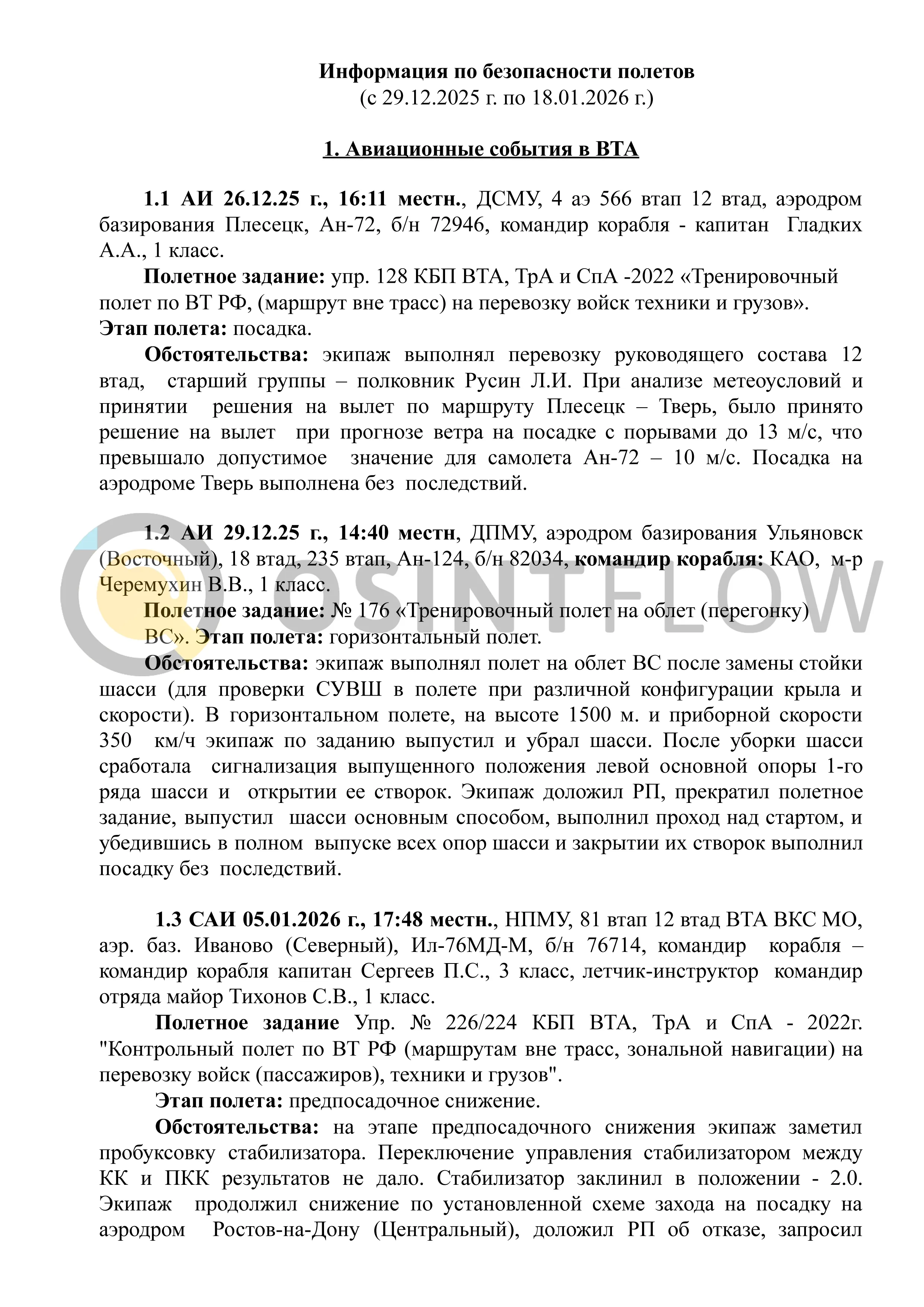
The full document is available for reading and/or download below.
Following a general classification of each incident by its primary cause, the resulting structure is as follows:
- Engine failures account for the largest share of technical incidents.
This category includes cases explicitly described in the document as “metal shavings in oil,” “low oil pressure,” “engine vibration,” and in-flight engine shutdowns. Such incidents were recorded on Su-34 (multiple cases), Su-30SM / Su-30SM2, Su-35S, Il-76, An-124, and** Il-76M** aircraft.
A key pattern in the dataset is the unusually high number of engine-related failures across multiple aircraft types. These incidents generally follow a similar sequence: a low oil pressure warning is triggered, often accompanied by a “metal particles in oil” alert. In some cases, engine vibration or a loud bang is reported. The crew then reduces thrust to idle, and following repeated warnings, the engine is shut down, with the aircraft continuing flight and landing on a single engine.
The recurrence of this pattern across different aircraft types may point to broader systemic operational issues, including elevated engine wear, extended maintenance cycles, the use of refurbished or reused components, and uneven technical condition across the propulsion systems in service.
It is also worth noting that such failures were recorded across a wide range of platforms, including both combat aircraft and military transport aviation.
In Russian technical literature on aviation incidents, including reports by the Interstate Aviation Committee (IAC), activation of the “metal particles in oil” warning is treated as an indication of metallic debris within the engine or gearbox lubrication system. It is generally interpreted as a marker of abnormal technical condition, potentially linked to accelerated wear or the early stages of damage to friction components.
In particular, the IAC investigation into an An-24 accident recorded the activation of the “metal particles in oil” warning, followed by a decrease in oil pressure and the subsequent progression to a complete engine failure.
- Aircraft systems malfunctions
This is a generalized category that includes incidents such as a Ka-52M total hydraulic system failure, a MiG-31BM failure of both inertial navigation systems, a Su-34 loss of airspeed indication, and an **Il-76MD-M **stabilizer jam.
- Wing and flight control system malfunctions
Incidents involving malfunctions of movable aerodynamic surfaces and flight control systems, affecting aircraft controllability and handling. Examples include a Be-200ES leading-edge slat jam and an Il-76MD-M stabilizer jam.
In IAC materials, such events are typically described in terms of specific component failures, including flap or slat malfunctions, high-lift system faults, or flight control system anomalies.
-
External factors
Single case: Ka-27PS bird strike resulting in engine damage and compressor damage. -
Ordnance-related incidents
Su-34 — an uncommanded release of a FAB-500 bomb fitted with a UMPK glide kit during takeoff. The incident occurred during the aircraft’s takeoff run. According to available information, at the moment of liftoff (when the aircraft had already left the runway but was still at very low altitude), an uncommanded release of one FAB-500 aerial bomb equipped with a UMPK glide kit occurred. The munition impacted approximately 300 meters beyond the runway threshold along the takeoff heading.
Uncommanded releases of FAB-series bombs have been repeatedly observed and are not isolated incidents. According to ASTRA, at least 10 aerial bombs have been dropped by Russian aircraft on the territory of the Russian Federation in 2026. ASTRA also previously reported at least 143 such incidents in 2025 involving Russian bombs falling on both Russian and occupied territories, and at least 165 cases in 2024.
- Possible combat-related damage
Mi-8 — observed damage includes a punctured tail boom, severed control cables, a large metal fragment, and penetration of an armored panel. Such damage is highly unlikely under normal operating conditions. One possible source is fragmentation from an air defense missile; however, in the absence of photographic evidence, the exact nature of the fragment cannot be determined.
- Human factors and operational errors
Su-34 — overran the runway following an aborted takeoff. The incident occurred due to crew actions and flight operation procedures.
Su-35S — aircraft damaged while taxiing after striking a shelter gate.
An-72— took off in wind conditions exceeding the allowable limits.
Although pilots are not within the scope of this analysis and merit separate consideration, a brief selection of cases is provided below.
The last incident mentioned in the structure appears, at first glance, to be a routine aviation event, in which the crew made a formally incorrect decision to proceed with a flight despite forecast meteorological conditions exceeding the aircraft’s operational limits. In this case, the more notable aspect is not the incident itself, but the personnel being transported. In particular, the flight involved senior leadership of the 12th Military Transport Aviation Division (12 VTAD), including the group commander, Colonel L.I. Rusin.
Back in 2023, Ukrainian hackers from the 256 Cyber Assault Division (formerly Cyber Resistance), in cooperation with volunteers from the InformNapalm international intelligence community, conducted a CYBINT & OSINT operation to gain access to and analyze email correspondence of Russian Colonel Leonid Rusin, former commander of military unit 41520. Rusin’s personal data was published by OSINT Bees in the same year.
Until July 2022, Rusin was in command of the 610th Center for Combat Training and Retraining of Military Pilots (military unit 41520), Ivanovo city, Severny airfield.
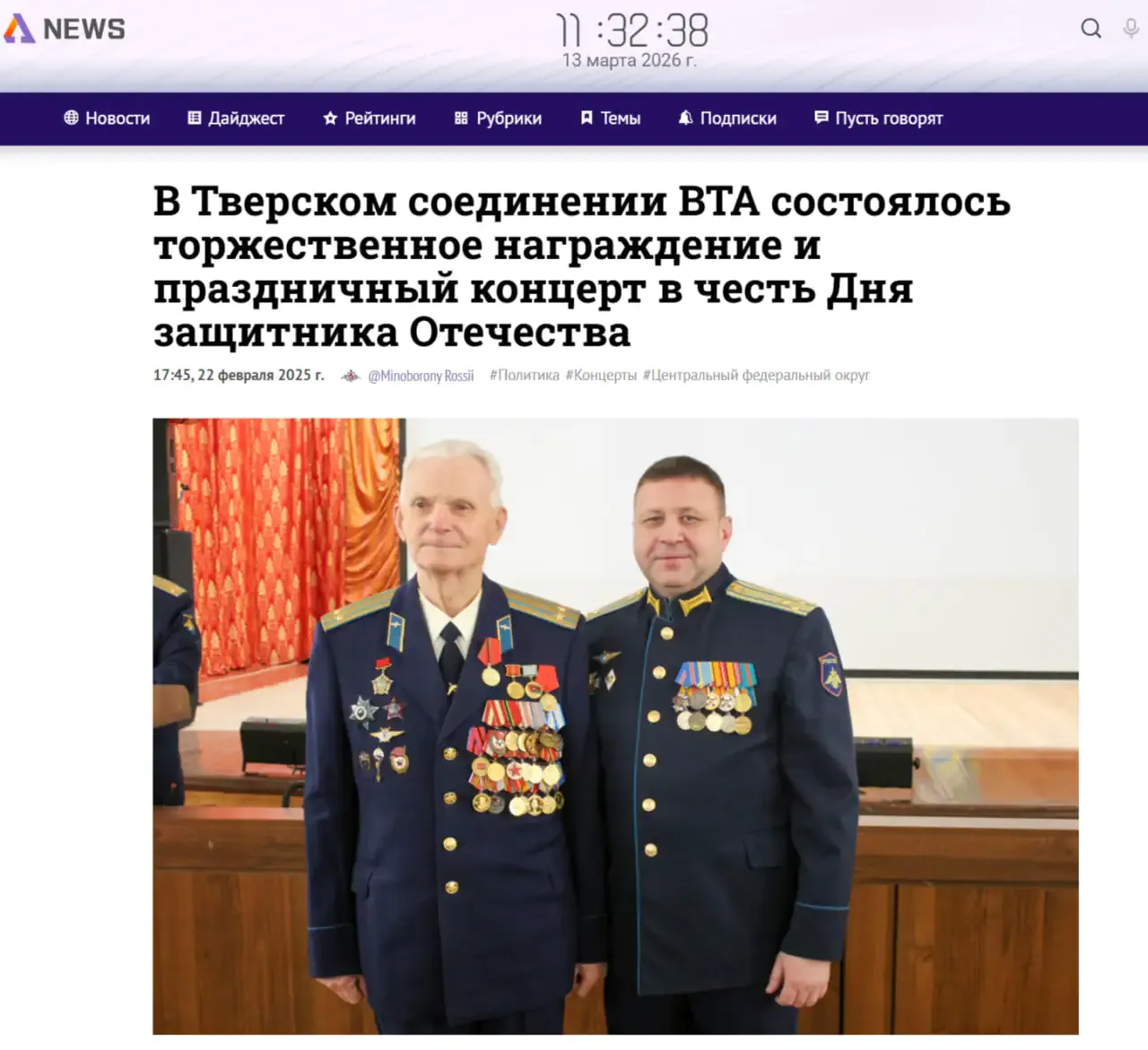
A 2025 photo of Rusin. At the Tver Military Transport Aviation formation, unit commander Guards Colonel Leonid Rusin personally awarded state and departmental medals to Military Transport Aviation personnel and veterans ahead of February 23, 2025.
The aircraft carrying Rusin was commanded by aircraft captain A.A. Gladkikh, 1st class. During identification of the pilot, the most likely match was determined to be Artem Andreevich Gladkikh, born 10 May 1991.
On an old, now inactive public VKontakte account, Gladkikh posted a photo of his wedding in 2017, where he appears in uniform still holding lieutenant’s shoulder boards and wearing a pilot qualification badge marked with the number “3” — a basic level of pilot qualification in Russian state aviation, awarded after completing flight training and authorizing flights under instructor supervision or independently.
Notably, in 2023, the individual reportedly registered a “Phoenix DPR” license plate — “Phoenix” being a local mobile operator in the self-proclaimed Donetsk People’s Republic operating in Russia-occupied territory.

Source: VKontakte https://vk.com/id425381079, uploaded in 2017.
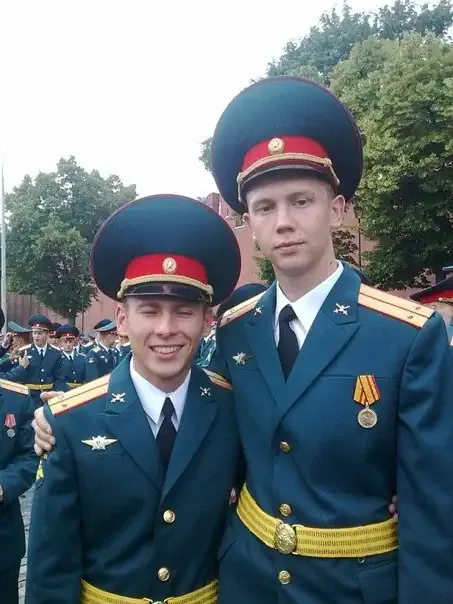
Source: VKontakte
Another pilot referenced in the document is Major V.V. Cheremukhin, 1st class. Based on information previously shared on social media, Vitaliy Viktorovich Cheremukhin (born 16 February 1987) is a graduate of the Krasnodar Higher Military Aviation School of Pilots (Military Institute) named after Serov.
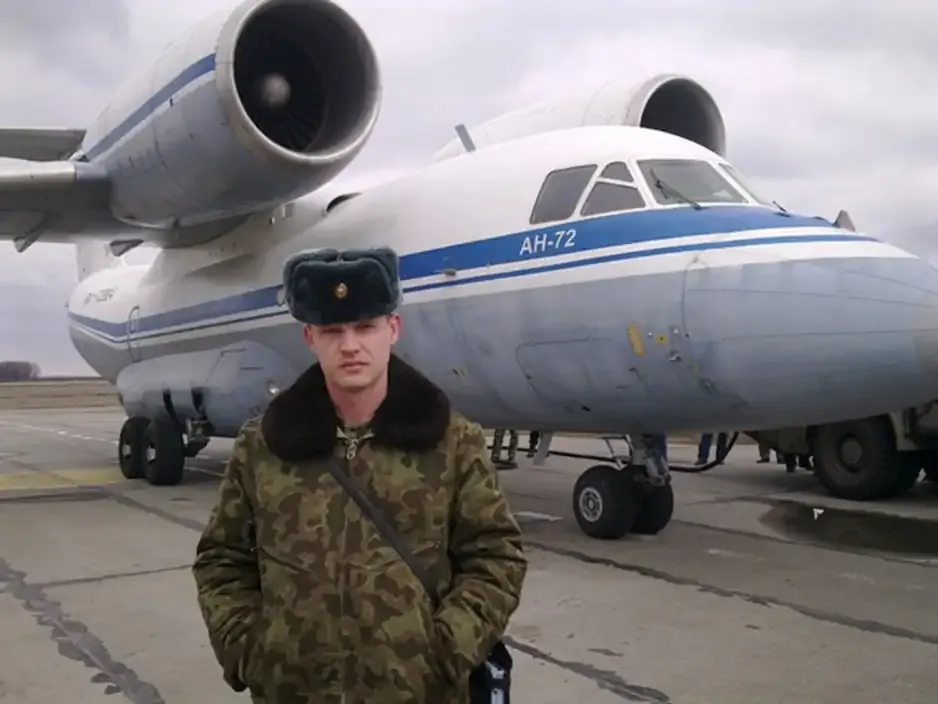
Source: MoiMir, publicly available photos of Cheremukhin, uploaded in 2011
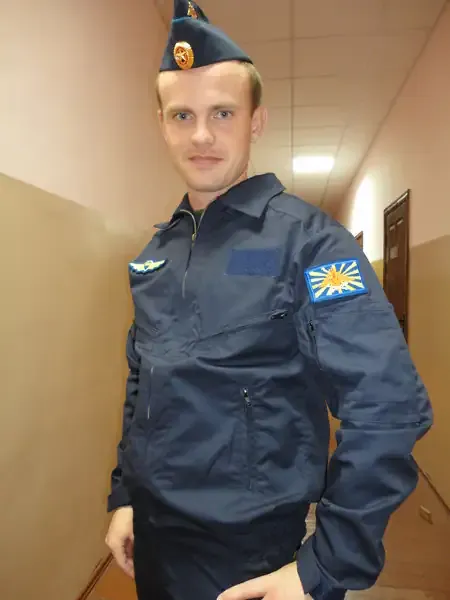
Source: MoiMir, publicly available photos of Cheremukhin, uploaded in 2011
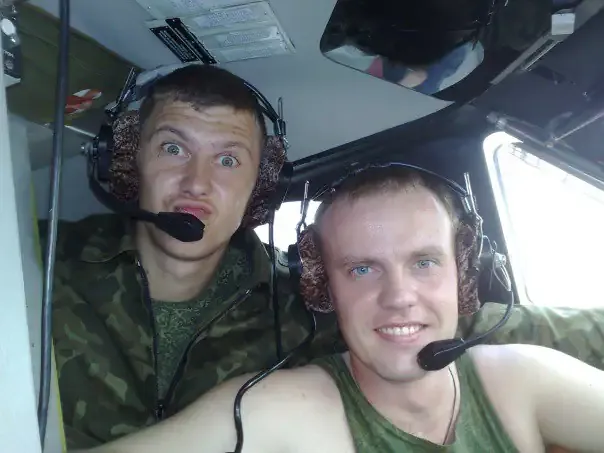
Source:VKontakte
Major P.Yu. Kozhevnikov, also mentioned in the document, has previously appeared in public sources. In 2022, the Main Directorate of Intelligence of the Ministry of Defense of Ukraine (HUR MO) published lists of servicemen of the 117th Separate Military Transport Aviation Regiment (military unit 45097, Omsk) involved in the delivery of weapons and ammunition used in the war against Ukraine, where Kozhevnikov is listed as a senior lieutenant at the time.
A Military Transport Aviation pilot involved in an Il-76M incident was aircraft commander Captain A.S. Ryabykh. Artem Sergeyevich Ryabykh (born 29 November 1996) comes from a military family; his father served in military unit 28004-T from at least 2013 to 2022, which was also listed as his place of service.
According to FOMS leak data related to Artem Ryabykh, an address associated with “Balashov, military unit 78474-A” appeared in 2007, likely indicating his father’s service there as well. The same address also reappeared in 2023 datasets. As is known, the Balashov airbase in the Saratov region hosts the 606th Training Aviation Regiment, which is part of the Russian Air Force pilot training system and operates transport aircraft, including the An-26.
“Ulyanovsk-Vostochny Airport” was listed by Artem as his place of employment when registering as a volunteer on the dobro.ru platform. In public Telegram chats, he also referenced the number of locations and airfields he had visited. The list includes more than 60 cities and places, including locations in occupied Crimea, as well as distant countries: “59 Syria, 60 Algeria, 61 Mali, 62 the Central African Republic, 63 Libya.” The messages have since been deleted, however, message parsing and archiving services continue to preserve copies of the correspondence.

Source: Telegram profile picture

Source: Screenshot of a VKontakte page
Flight instructor and aviation unit commander Bogdan Pavel Pavlovich (born 17 December 1993) was involved in a Military Transport Aviation incident involving an Il-76M flight on 14 January along the route Ulan-Ude (Vostochny) – Knevichi.
According to Instagram stories posted by Captain Bogdan, he was in Ulan-Ude in the second half of January. Notably, according to “Kordon” database leaks aggregated in OsintKit, he made at least 11 flights to the Syrian Arab Republic in 2020–2021. He also visited occupied Crimea in 2024, as stated in his own social media posts. Leak data associated with the individual also references an address in a hotel complex in Feodosia.

Source: Telegram stories
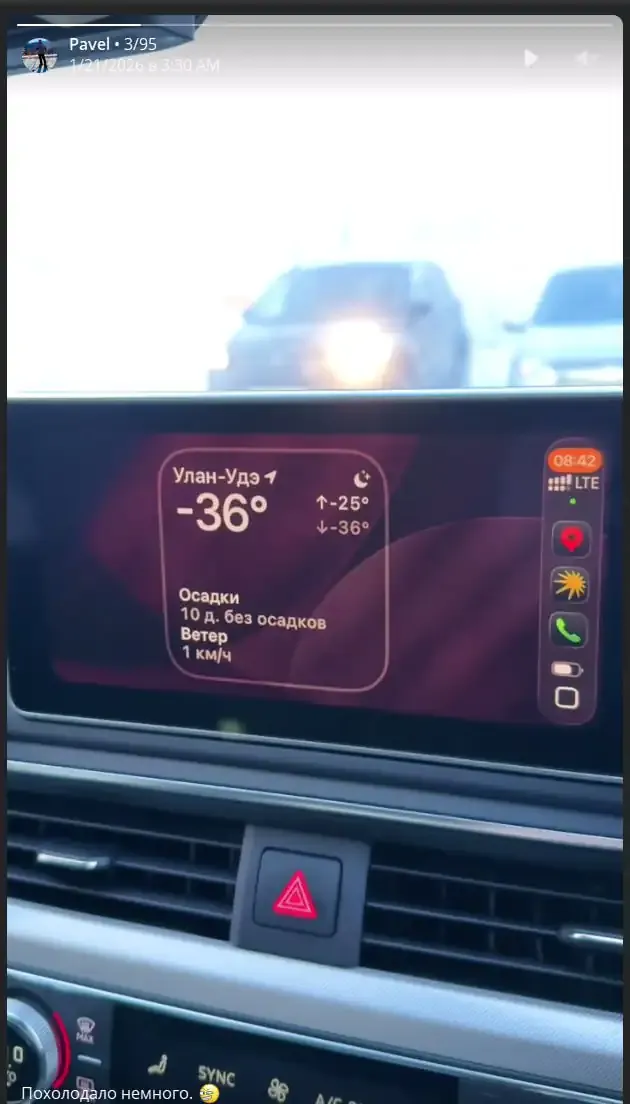
Source: Telegram stories.
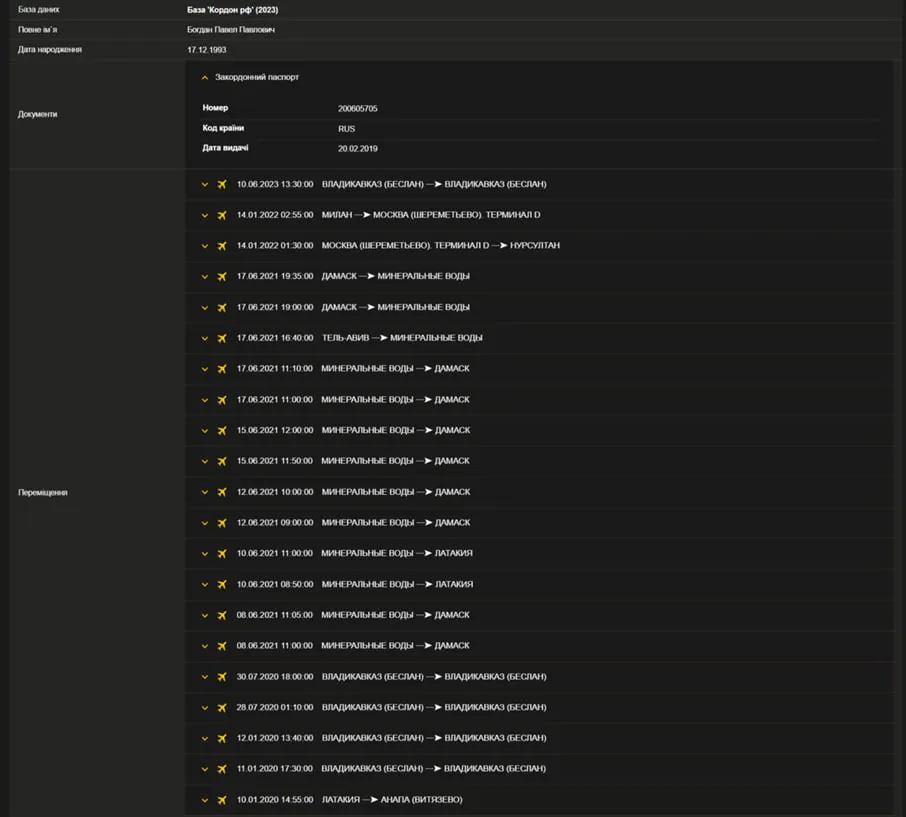
_Source: OsintKit https://osintkit.net/_
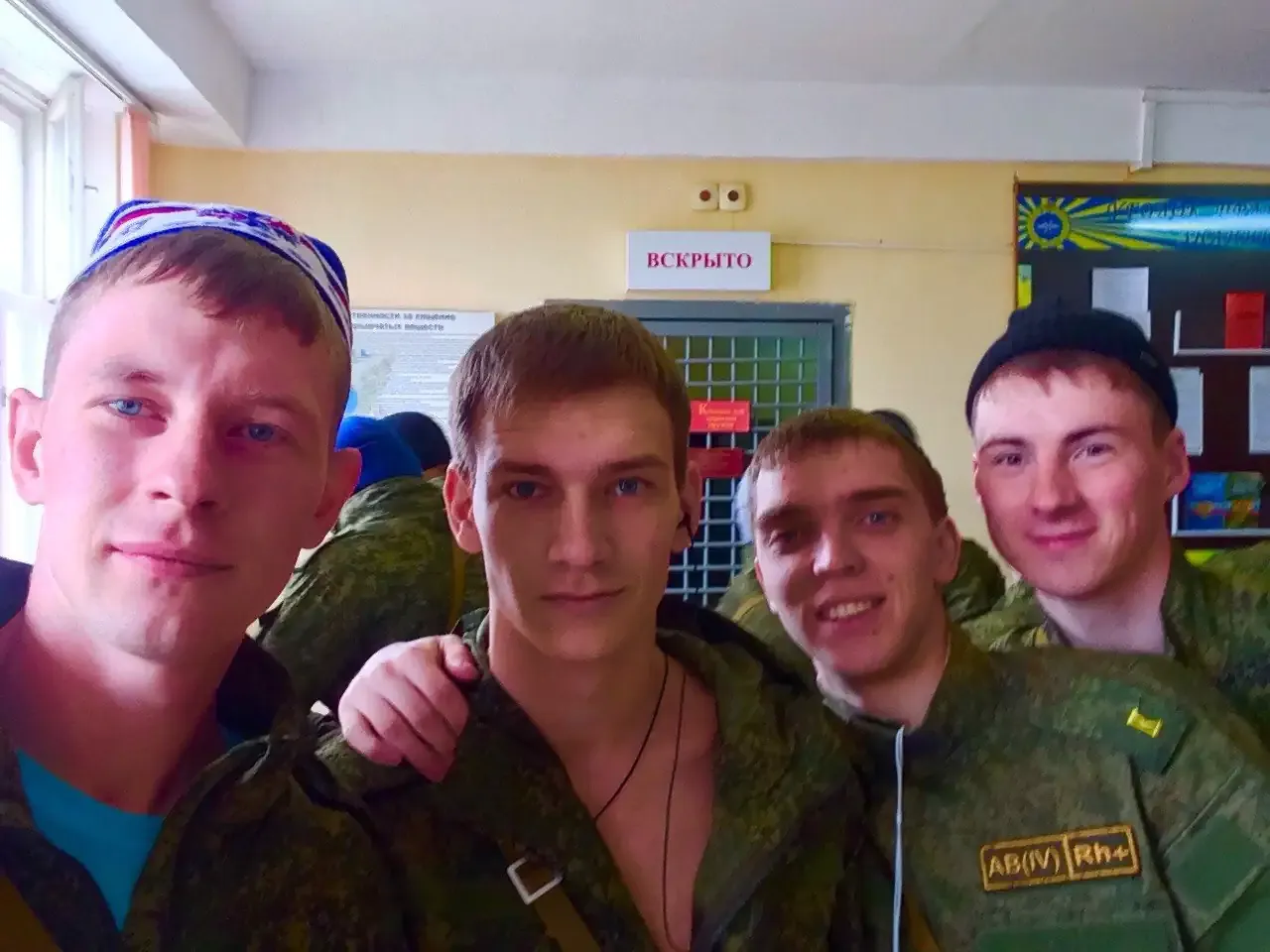
_Source:VKontakte _
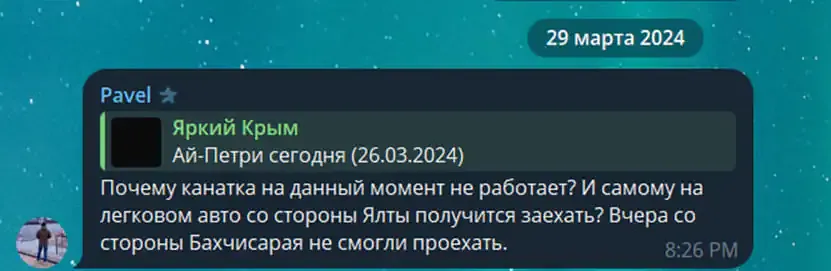
Public comment regarding the individual’s presence in Crimea in 2024
Aircraft commander (2nd class) S.S. Golubnichy. Sergey Sergeyevich Golubnichy (born 18 April 1991) worked for the Russian Ministry of Emergency Situations (EMERCOM) for several years, including involvement in forest firefighting operations. In 2014, he graduated from the Saint Petersburg State University of Civil Aviation.
Notably, records indicate he crossed the Ukrainian border in 2016. According to leaked datasets, the following movements are recorded:
2016-12-02: Ukraine, Luhansk to Russia, Donetsk (Izyvarino)
2016-11-28: Russia, Donetsk (Izyvarino) to Ukraine, Luhansk
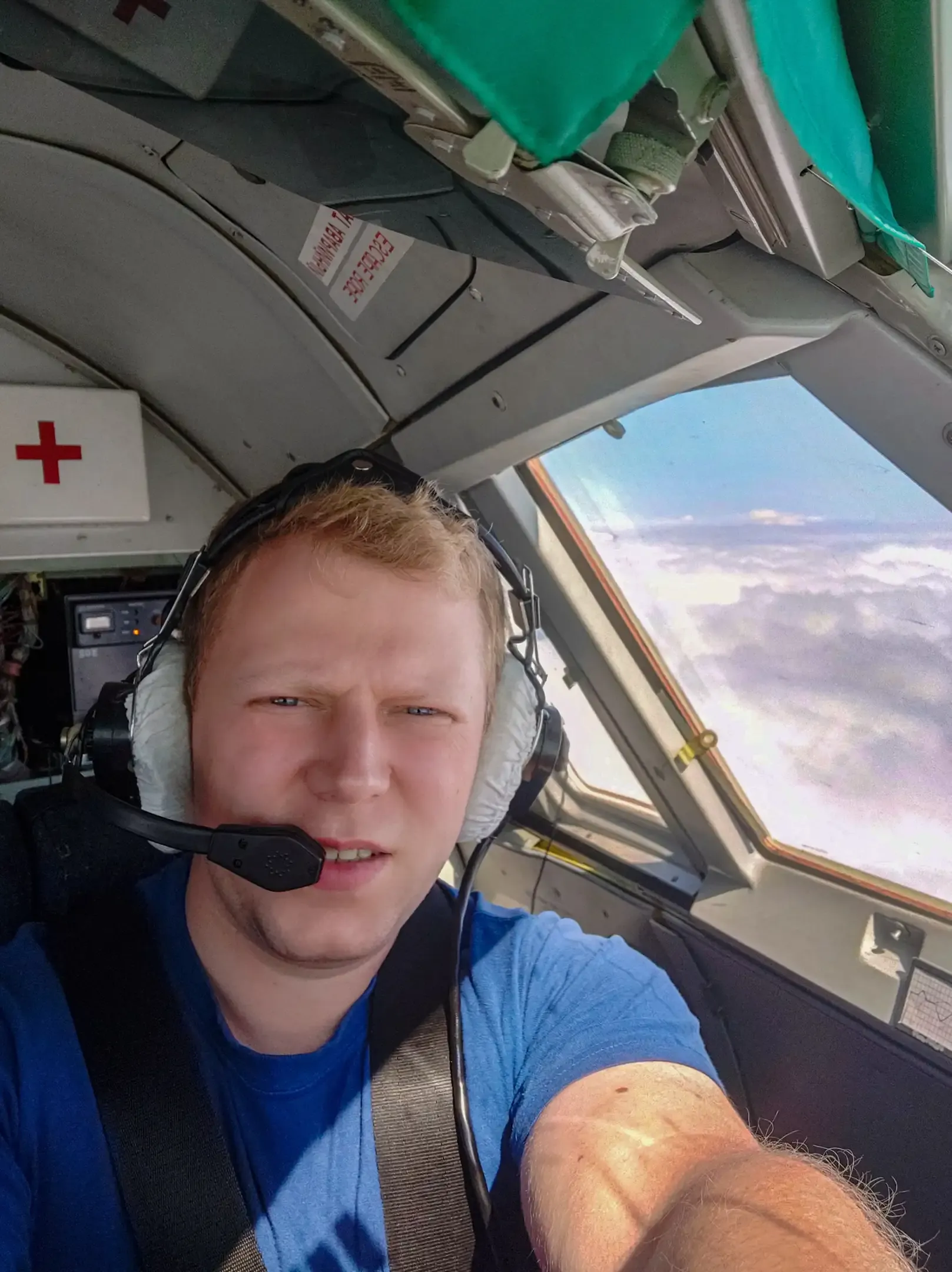
Source:VKontakte
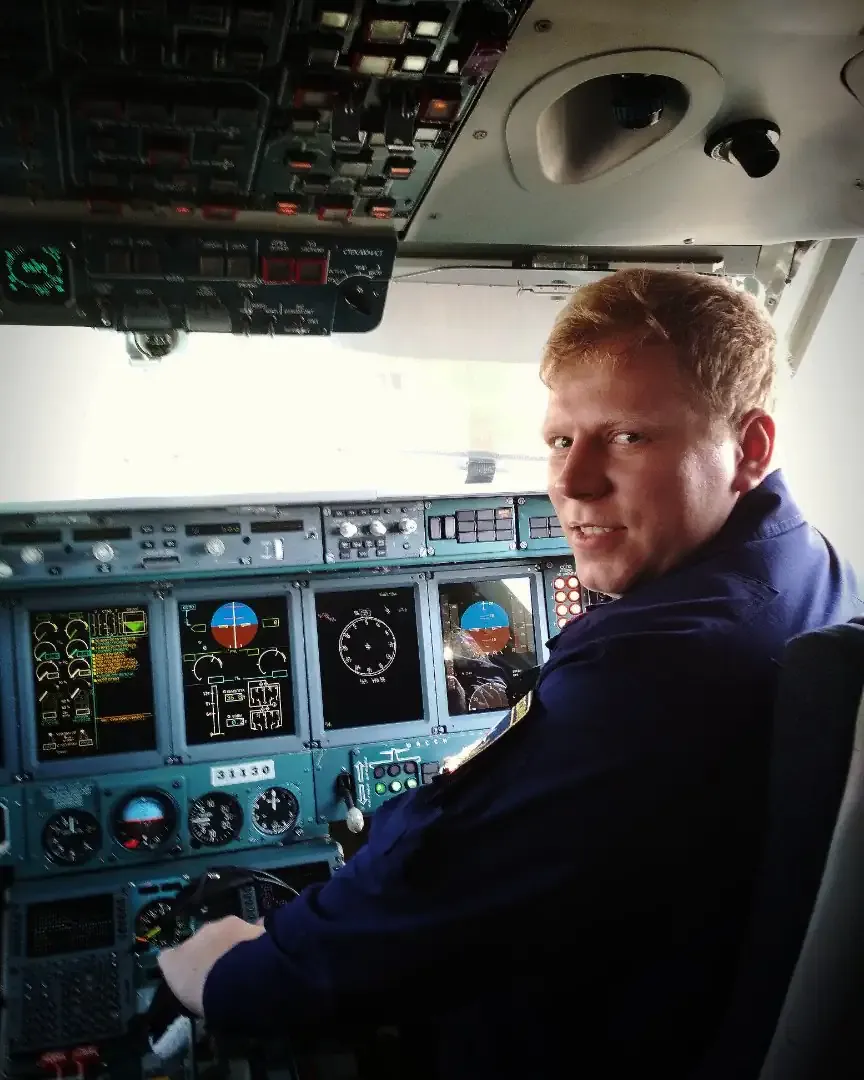
Source:VKontakte